Get the extended episode, Friday Free-For-All, and TWO MONTHS of Useful Idiots FREE.
Subscribe for the full episode at the bottom of the page. Watch a free preview here:
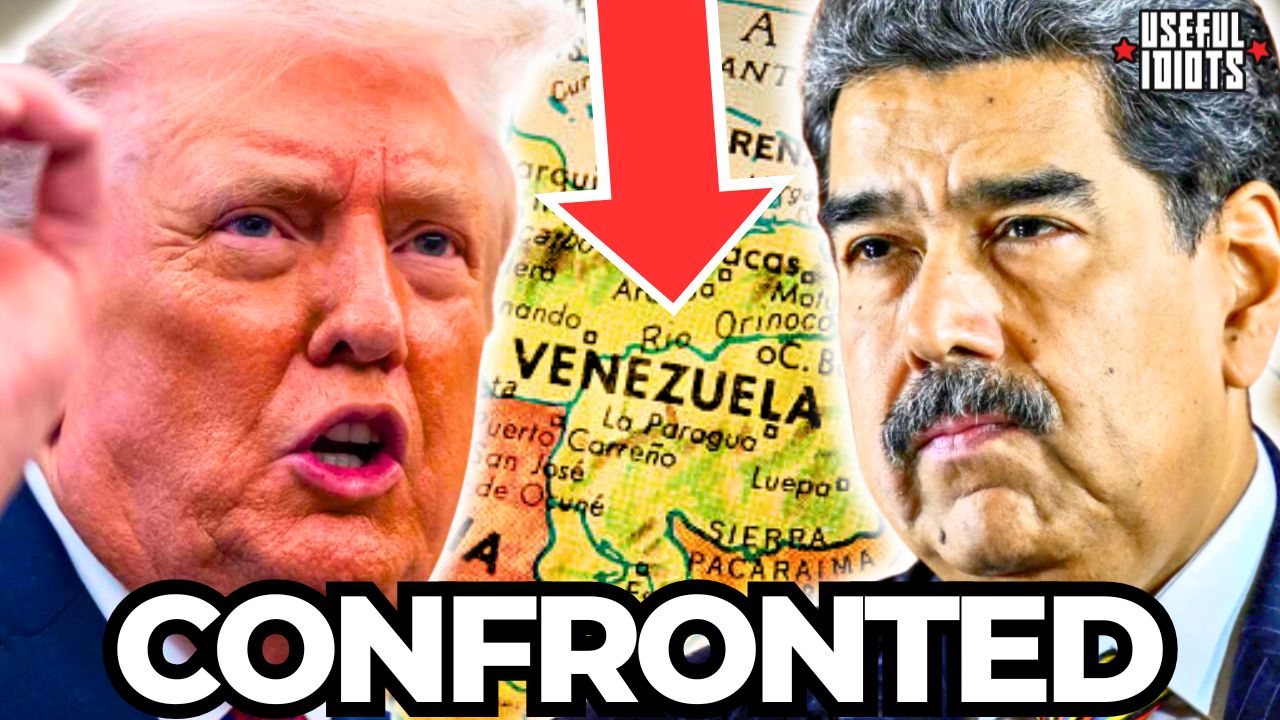
For this week’s interview, we’re speaking with Francisco Rodríguez about the latest in Trump’s regime-change campaign in Venezuela. Rodríguez, a member of the Venezuelan opposition who formerly advised a challenger to President Nicolás Maduro, does not, like other members of the opposition, support the U.S. policy of starvation sanctions and military force to overthrow the government of Venezuela.
Useful Idiots: You have warned that Trump’s naval blockade of U.S.-sanctioned oil tankers going in and out of Venezuela could lead to the first major famine in the Western Hemisphere. Can you explain what you mean by that?
Francisco Rodríguez: The first thing to understand is that the Venezuelan economy runs on oil revenues. Oil is more than 90% of the country’s exports. It uses its export revenue in order to pay for imports of everything, including food and essentials.
The Venezuelan economy doesn’t actually produce the food that it needs to feed itself. And that’s not atypical: that’s the case for many economies that are integrated into the world economy. But not many economies get blockaded. In fact, there’s really no precedent of a sustained blockade of any economy in the Western Hemisphere.
Useful Idiots: Venezuelan President Nicolás Maduro responded to Trump’s blockade announcement by ordering a naval escort for tankers that are carrying oil toward Asia. This obviously raises the risk, if Trump decides to enforce his social media post, of a military confrontation between the U.S. and Venezuela in the high seas.
Francisco Rodríguez: The U.S. has essentially gone into this strategy of trying to scare the Venezuelan military into turning on Maduro, which is called the credible threat strategy. It’s the idea that if the US can credibly threaten that it’s going to invade, it doesn’t actually have to invade: the military is going to turn on Maduro who is going to give up power.
Up until now, Maduro isn’t moving. You don’t have any sign of rebellion in the military, and this strategy has painted President Trump into a corner because now he’s almost forced to show that this threat is credible by carrying out a military attack.
But on the other hand, there seems to be absolutely no appetite, at least in American public opinion and among the political leadership of both parties, for an actual war in Venezuela. So is President Trump going to pull the trigger? Is he going to go in and seize that tanker and fire on the Venezuelan ships that are escorting it? We don’t know. It’s highly unpredictable.
But what we do know is that a lot of military conflicts begin this way. They begin with threats and then one side either miscalculating or believing that it has to enforce its threat in order to maintain its credibility.
Subscribe for the full interview with Francisco Rodríguez for his thoughts on Venezuelan opposition leader and Nobel Peace Prize winner María Corina Machado calling regime change an “act of love.”
And don’t miss this week’s Friday Free-For-All: Katie Halper & Aaron Maté React to Ridiculous ‘Melania’ Trailer
Watch the full episode here: